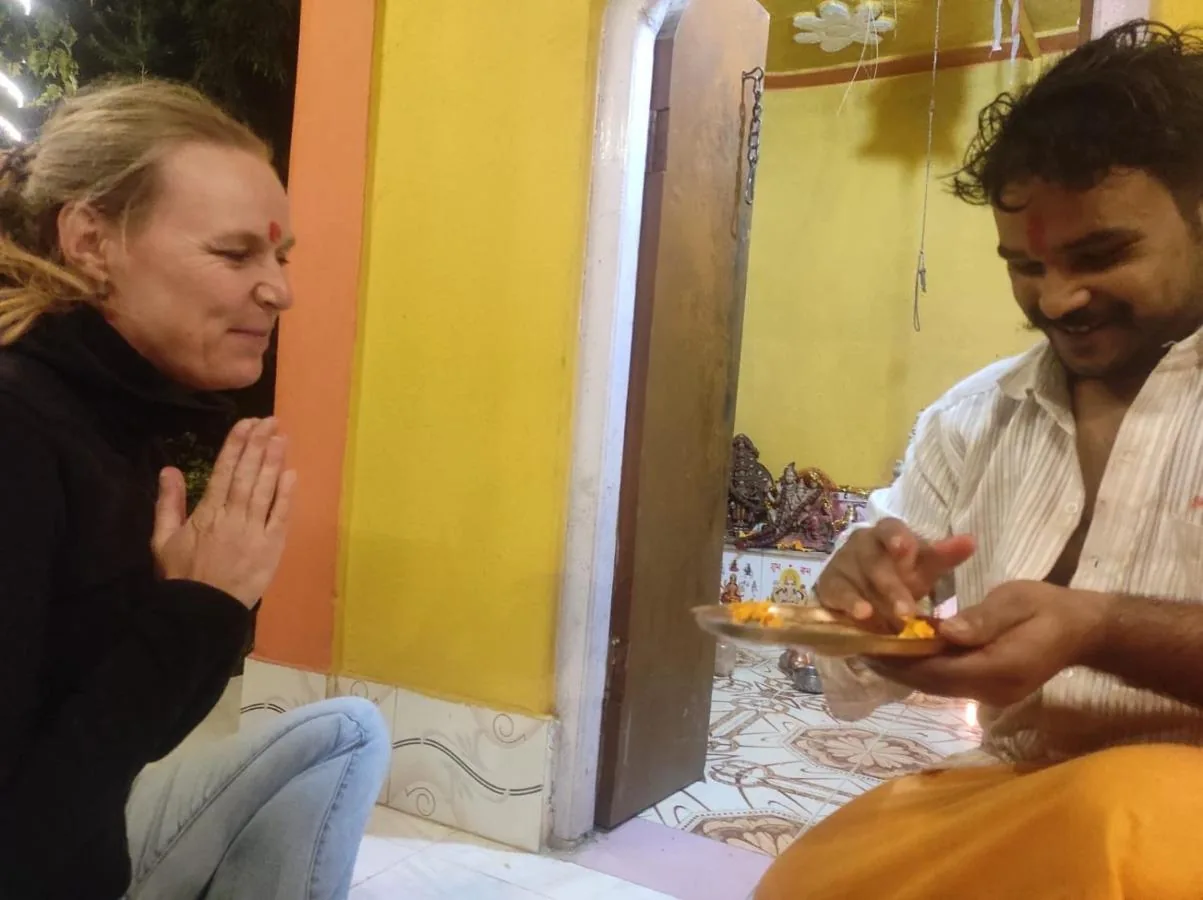
Greetings and body language
A namaste with palms pressed together is the safest greeting for anyone. Handshakes are common between men in towns, but it is polite to let the other person offer first, especially when greeting women.
The head is often regarded as the most respected part of the body, so avoid touching people's heads, including children's. Feet are seen as the least clean, so try not to point the soles of your feet at people or shrines, and avoid stepping over someone sitting on the floor or over their food.
Hands, food and sharing
Use your right hand for giving, receiving and eating. Passing something with both hands, or with the right hand while the left touches your right forearm, is a respectful touch that you will see often.
Many Nepalis follow the idea of jutho: food or drink that has touched someone's mouth or plate is considered impure for others. Do not offer food you have bitten or taken from your plate, and if you share a water bottle, pour it into your mouth without your lips touching the rim. Ask if unsure; people are usually happy to explain.
Homes, dress and photographs
Shoes are commonly taken off before entering a home, and a row of shoes by the door is your cue. The kitchen can be a private or special space, so wait to be invited in. Modest clothing, with shoulders and knees covered, is more comfortable in villages and temples, and public affection is usually kept low-key.
Ask before photographing people, and accept a no gracefully. Temples have their own customs, covered in our guide to visiting temples in Nepal.
When you get it wrong
Everyone slips up. A smile, an apology and a willingness to learn matter far more than getting every detail right. If you are staying somewhere run by a family, such as Bulbul Farm Retreat, your hosts are the best people to ask about local customs.