Light and seasons
Autumn, after the monsoon, usually brings the clearest air and your best chance of seeing distant snow peaks; our guide to Himalayan views from Tansen explains more. Winter mornings can fill the valleys below Tansen with mist, which makes for soft, layered landscapes as it lifts.
Spring is often hazy, which mutes distant views but suits close-up subjects such as flowers and street scenes. The monsoon brings dramatic clouds and deep green hills between the showers. In every season, the first and last hours of daylight give the warmest light.
Where to point the camera
Shreenagar Hill above Tansen gives wide views over the town and the hills beyond. In the old bazaar, look for carved wooden windows, brick lanes, shopfronts and doorways. Rani Mahal, on the banks of the Kali Gandaki, makes a striking riverside subject.
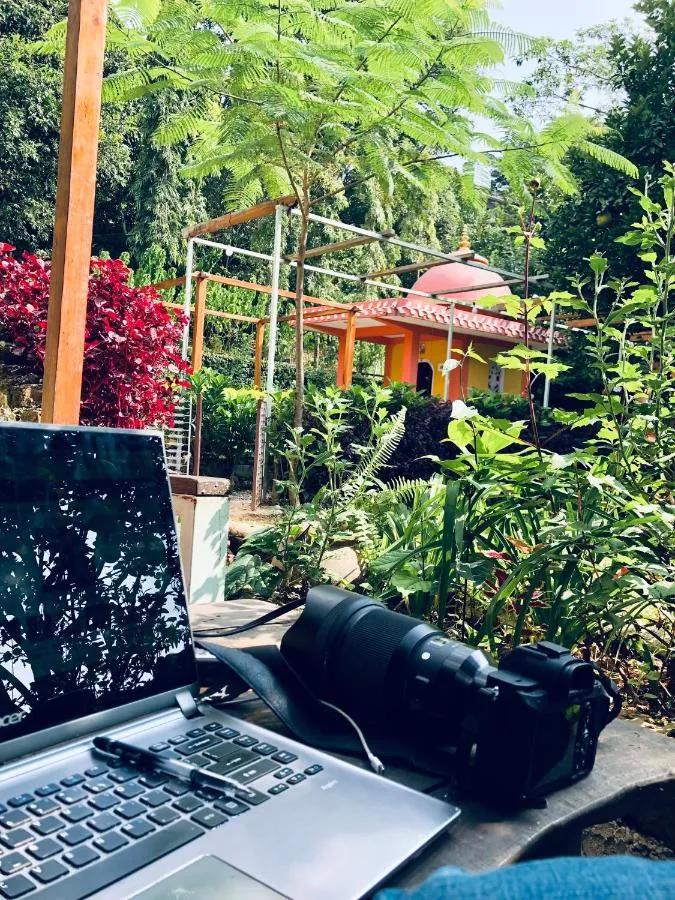
At Bulbul Farm Retreat, the garden views towards distant hills, sunsets, ducklings by the pond and the colourful murals all make good subjects. On clear nights away from town lights, bring a small tripod to try photographing the stars.
Photographing people and temples
Always ask before photographing someone. A smile and a gesture towards your camera is usually enough, and showing people the picture afterwards is often welcomed. Accept a no without fuss, and ask a parent before photographing children.
At temples, ask before taking pictures of worshippers or inside shrines, where photography is often not allowed. Keep a respectful distance from rituals and cremations.
Practical tips
Carry spare batteries and charge whenever you can. In the monsoon, keep your camera in a sealed bag with a sachet of silica gel to fight the humidity; in the dry months, dust is the bigger enemy.
Drone use in Nepal is regulated, and permission may be needed. Check the current rules before you fly, and never fly over temples, crowds or private land without permission.