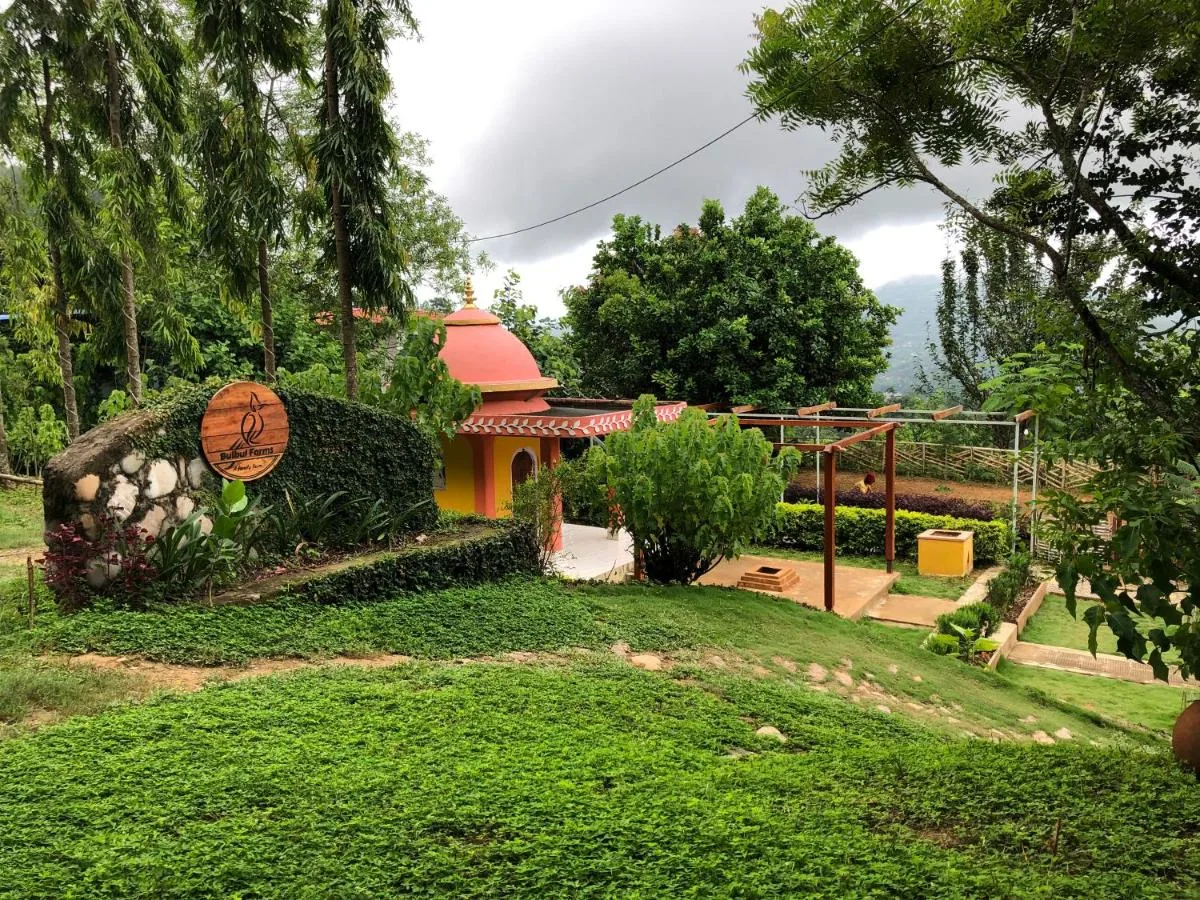
Autumn: October to November
After the monsoon, the air clears and the weather settles into dry, comfortable days. This is the most popular time for trekking and sightseeing, so accommodation and transport fill up. The major festivals of Dashain and Tihar often fall in this period too; see travelling during Dashain and Tihar for what that means for your plans.
In the middle hills, days are usually warm and nights fresh, which makes it a comfortable time for walking around Tansen. If your dates fall in this season, book rooms and transport early.
Winter: December to February
Winter brings bright days and cold nights. In the middle hills, around Tansen, days are often pleasant while mornings and evenings are cool, and valleys can fill with mist at dawn. The high mountains are very cold. On the Terai, days are mild, but early-morning fog is common and can delay flights and slow road travel. This is a quieter time to travel, and a warm layer goes a long way.
Spring: March to May
Spring is warm, with flowering trees and rhododendrons in bloom on higher hillsides. Haze tends to build as the season goes on, so mountain views are less reliable than in autumn. The plains, including Lumbini and Chitwan, become very hot by late spring, which is one reason travellers like to spend time in hill towns at this time of year.
Monsoon: June to September
The monsoon brings rain, deep green landscapes and fewer visitors. Clouds often hide the mountains, and landslides can disrupt hill roads, so allow extra time. Tansen sits at around 1,350 m, so it is usually milder than the hot, humid Terai in summer. Our monsoon travel guide has practical advice.
Whatever you choose, plan for the season rather than against it. Our Tansen weather guide looks at conditions in Palpa specifically.