When the festivals fall
Both festivals follow the lunar calendar, so their dates move from year to year. Dashain comes first and lasts around two weeks, with its most important days towards the end. Tihar usually follows a few weeks later and lasts five days. Check the dates for your year before you fix your plans.
What happens
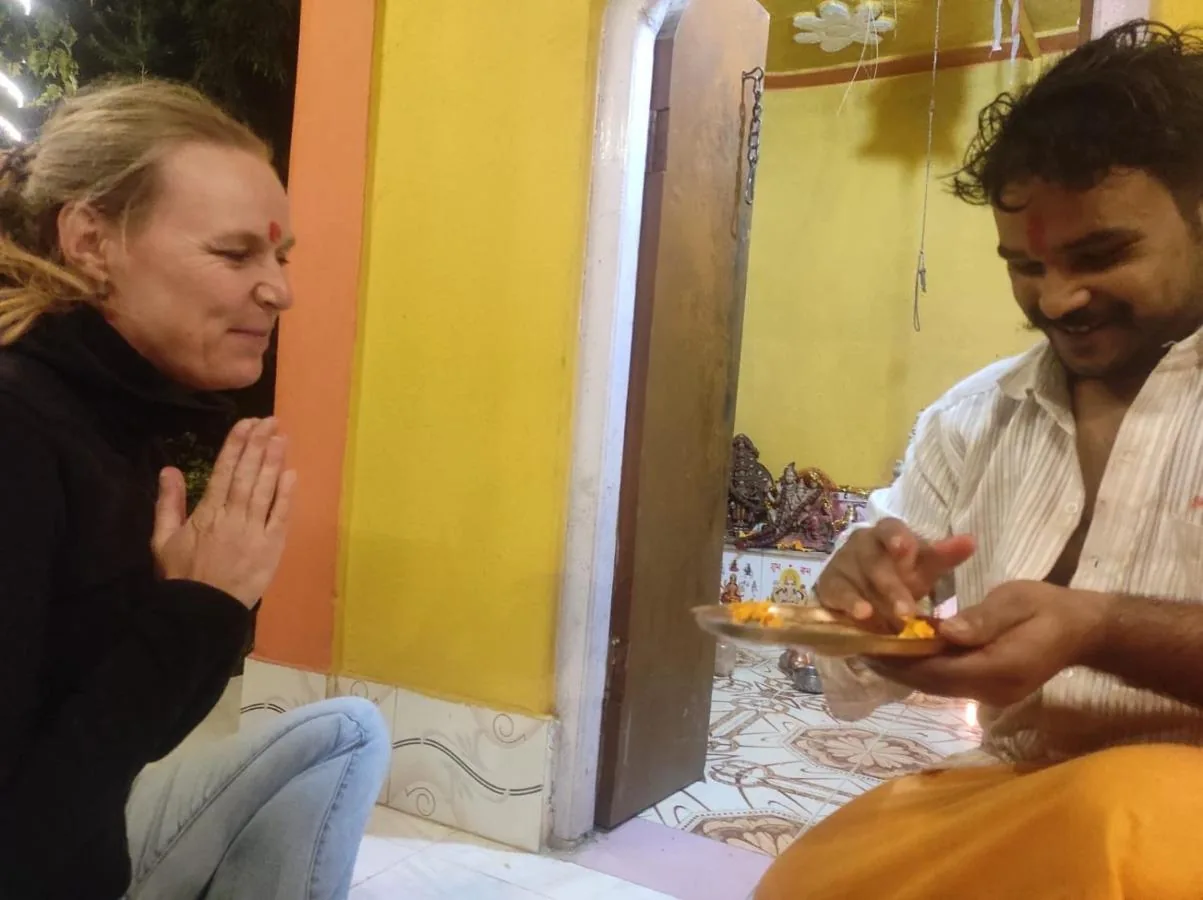
Dashain is a time for families. People return to their home towns and villages, and on the main day elders give tika, a mark on the forehead, and blessings to younger relatives. You will often see bamboo swings set up in villages and kites in the sky.
Tihar is the festival of lights. Homes are lit with oil lamps and decorated with colourful patterns at the doorway. Different days honour crows, dogs and cows, and the festival ends with Bhai Tika, when sisters bless their brothers. Groups of children and young people go from house to house singing in the evenings.
How it affects your travel
In the days before the main festival days, huge numbers of people leave the cities, and buses and flights fill quickly. The same happens when everyone returns. Book transport early, expect crowds and allow extra time.
Government offices, banks and many shops and restaurants close for the main days, sometimes longer in smaller towns. Withdraw cash in advance and carry what you need. Some guesthouses and services may also be closed or short-staffed, so confirm your bookings directly.
Enjoying the season
Festival time is a good reason to slow down and stay in one place rather than moving every day. Be respectful of family celebrations and ask before taking photographs. If you would like to stay at Bulbul during the festivals, send an enquiry early and ask the hosts how the season affects their availability. Our guide to Nepal etiquette has more on being a considerate guest.