Autumn: October and November
This is the season most travellers aim for. The monsoon has washed the air clean, skies are often clear, days are warm and nights are cool. It is also the season of Dashain and Tihar, Nepal's biggest festivals, when roads and buses are busy with people travelling home; see our guide to travelling during Dashain and Tihar before you fix dates.
Winter: December to February
Winter days are often sunny and pleasant for walking, but mornings and evenings are cold, so pack proper layers. Mist frequently fills the valleys at dawn, and fog in the lowlands can slow journeys to and from the plains. Our guide to winter mist in Tansen explains what to expect. Long, clear nights make this a good season for bonfires and stargazing at Bulbul.
Spring: March to May
Temperatures rise steadily through spring, and haze often softens distant views. Trees flower, the hills turn greener, and afternoon storms become more common as the monsoon approaches. By May the plains around Butwal and Lumbini can be very hot, and Tansen's height makes it a welcome step up into cooler air.
Early summer is also when the fruit trees come into their own. At Bulbul, ask the hosts what is in season on the lychee and jackfruit trees when you plan your dates.
Monsoon: June to September
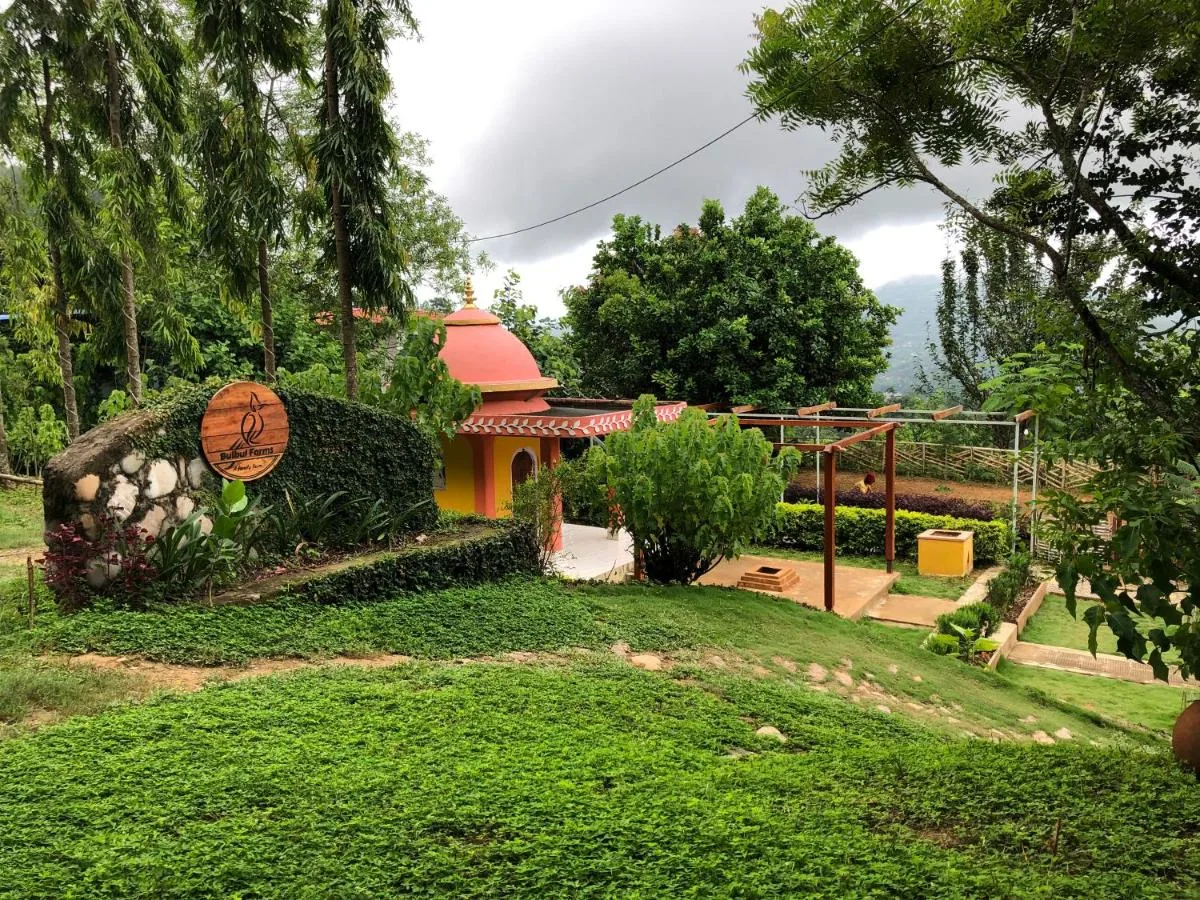
The monsoon brings heavy rain, often in long bursts, with clearer spells in between. The hills turn a deep green and rice is planted on the terraces, but cloud hides the mountains, paths get slippery and leeches appear in the forest.
Landslides can close or slow the Siddhartha Highway and other hill roads, so leave spare days in your plans and check conditions before each journey. Pack a light rain jacket, quick-drying clothes and shoes with good grip. A wet afternoon is a fine excuse to stay put with a book and a cup of tea.