Clothes for the hills
Layers work best. Days in the middle hills are often warm while evenings turn cool, and winter mornings can be properly cold. From roughly October to February, bring a fleece or warm jacket for sitting outside after dark, especially if you plan to join an evening bonfire.
In spring and the monsoon, light, breathable clothes that dry quickly are more useful. Include something modest, covering shoulders and knees, for visits to town and to temples.
Shoes and rain gear
Bring comfortable walking shoes that you do not mind getting dusty or muddy on garden paths and village lanes. A pair of sandals or slip-ons is handy too, as shoes are often taken off indoors.
If you are travelling during the monsoon, roughly June to September, pack a rain jacket or a small umbrella and a few bags to keep phones and papers dry.
Small things that help
A torch or headlamp is useful for paths after dark and for the occasional power cut, which can happen in rural areas. Add insect repellent, a sun hat, sunscreen and a reusable water bottle, and ask your hosts about drinking water.
Bring any personal medicines and a small first-aid kit, a charger and the right plug adapter for your devices. Some cash in small notes is helpful in local shops; our guide to money and payments in Nepal explains more.
What to expect at Bulbul
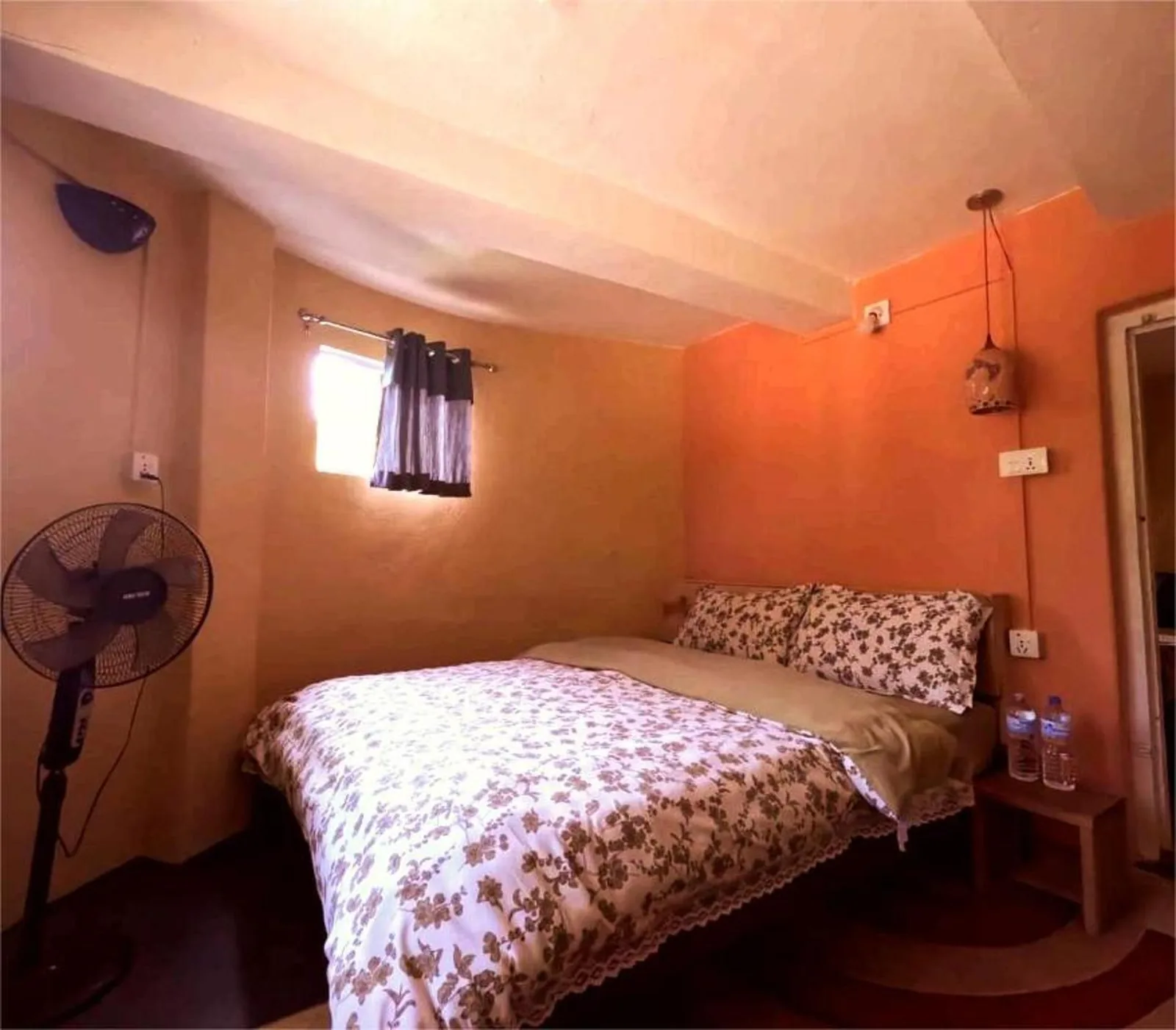
At Bulbul Farm Retreat, the standard double room has a private bathroom, Wi-Fi, hot water and a fan, and there is parking on site. If you need anything specific, such as particular toiletries or towels, ask the hosts before you arrive. Camping is possible on request, so if you would like to sleep under canvas, ask what you should bring. See the rooms for current details.